Storms in Space
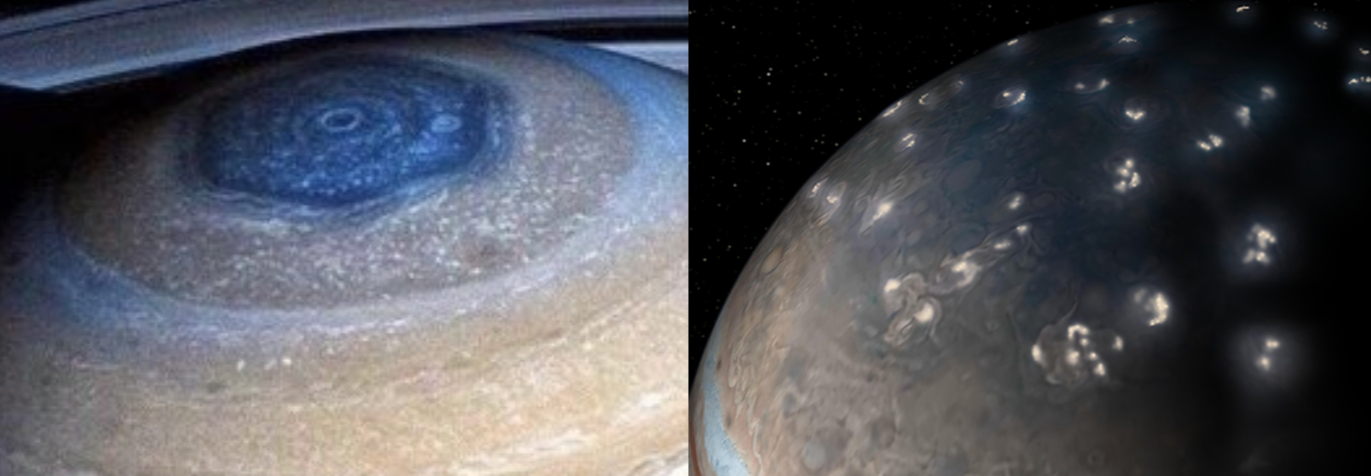
When we hear the word “storm,” most of us think of Earth. Hurricanes spinning over warm oceans. Tornadoes tearing through fields. Thunderstorms rattling windows at night. But storms are not unique to our planet. Just as Earth gets hurricanes, tornadoes, blizzards, thunder, rain, and volcanoes, our neighboring planets go through harsh conditions as well. In fact, some of the most extreme and fascinating storms in the solar system happen far beyond Earth.

In this post, I want to cover a few for you…
THE SUN: The Solar Flares & CMEs
Our Sun looks calm from Earth, but it is constantly active. Sometimes, that activity turns violent.
Solar flares are sudden bursts of energy released from the Sun’s surface. In just a short moment, they can release as much energy as billions of atomic bombs combined. Along with these flares, the Sun can also launch massive clouds of charged particles and magnetic fields called coronal mass ejections (or CMEs).
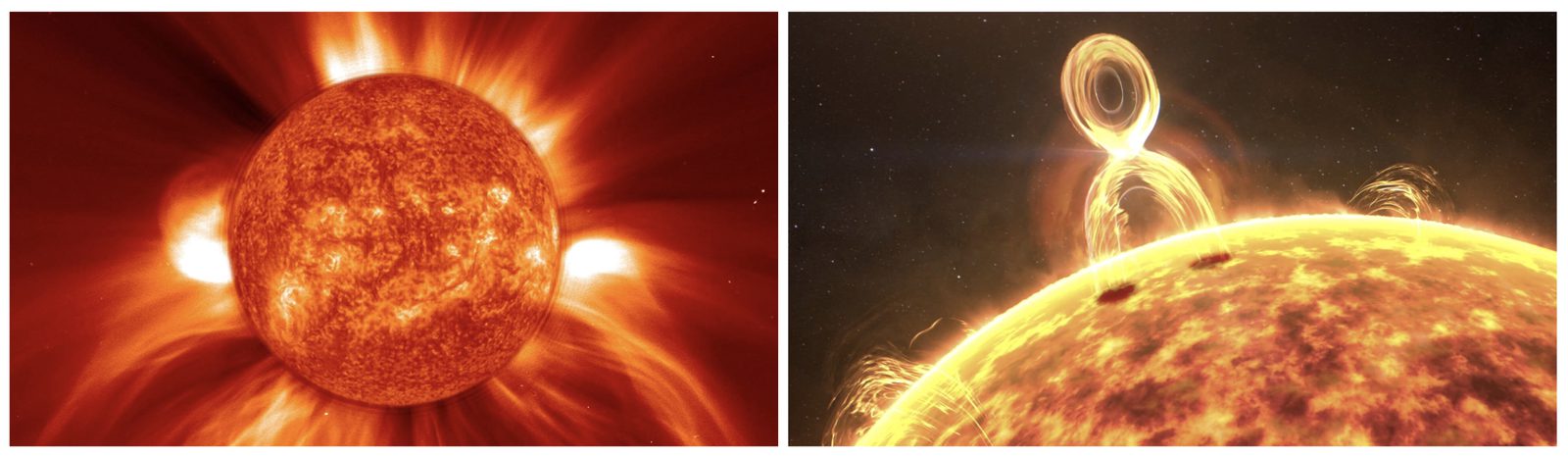
When a CME is aimed toward Earth, it can disrupt satellites, interfere with GPS signals, and even damage power grids. These solar storms remind us that space weather can affect daily life on Earth, even though it starts 150 million kilometers away.
VENUS: The Super-Rotating Atmosphere
Venus has one of the most hostile atmospheres in the solar system. Its thick, toxic clouds rotate much faster than the planet itself, a phenomenon known as super-rotation.
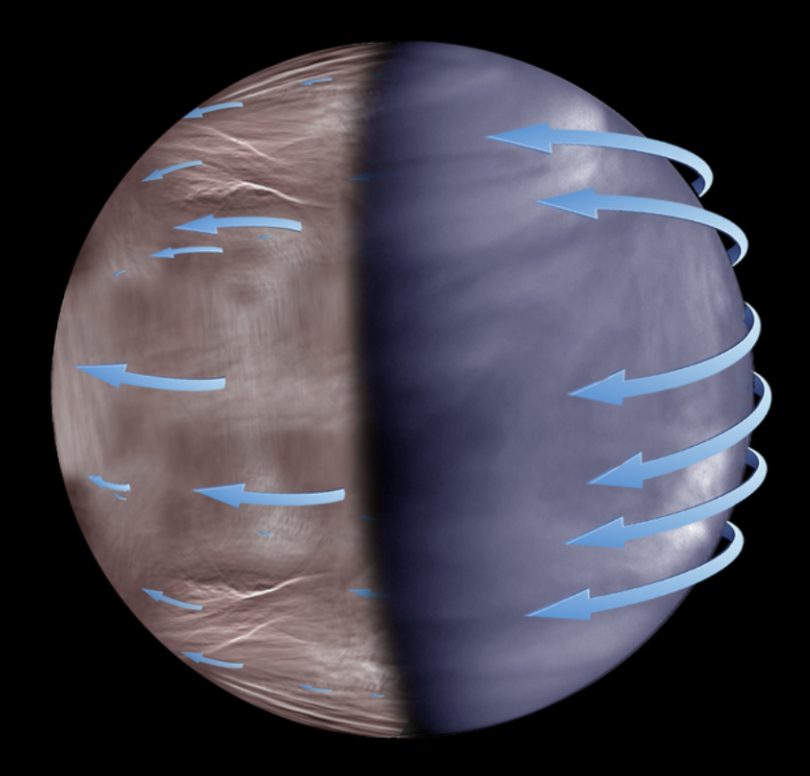
Winds in Venus’s atmosphere can reach speeds of about 360 kilometers per hour. This creates a planet-wide storm system that never really stops. Even though Venus spins slowly, its atmosphere races around it, making its weather unlike anything we experience on Earth.
MARS: The Dust Storms
Mars may look calm in photos, but it experiences massive dust storms that can engulf the entire planet. These storms can last for months, blocking sunlight and covering the surface in thick dust.
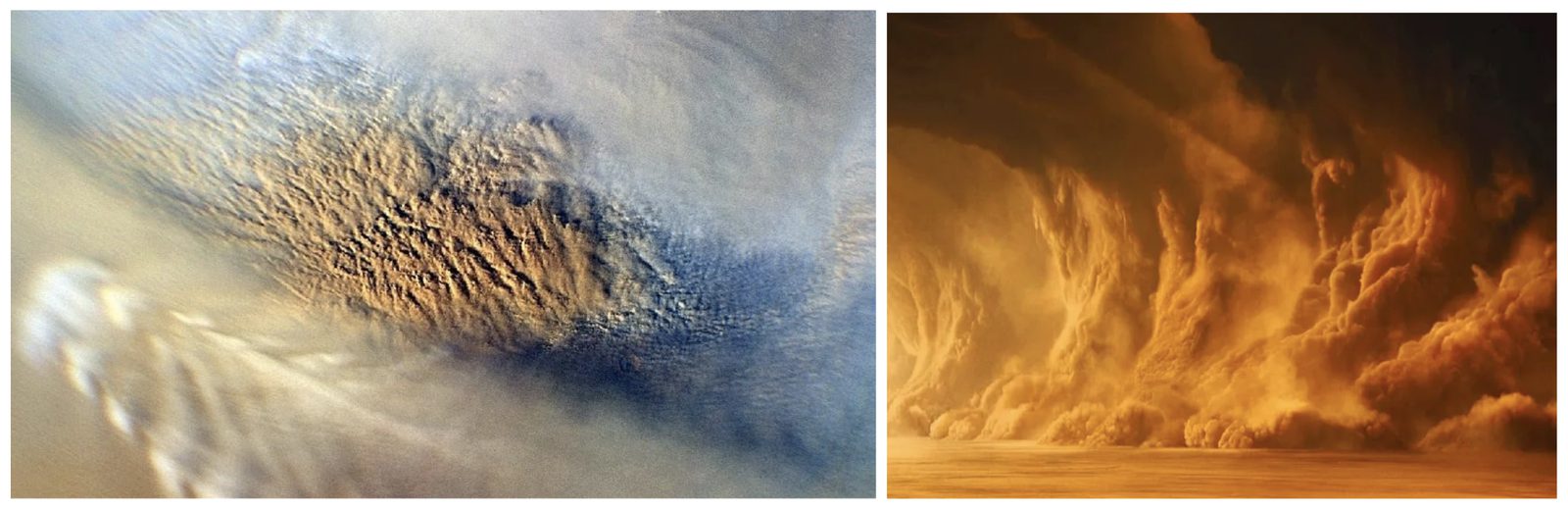
For rovers and landers on Mars, dust storms are a serious challenge. Solar panels can become coated in dust, and visibility drops dramatically. Some missions have even ended because of these storms.
JUPITER: The Great Red Spot
One of the most famous storms in the solar system is Jupiter’s Great Red Spot. This enormous storm has been raging for hundreds of years.
Wind speeds inside the storm can reach up to 450 miles per hour. The storm is so large that Earth could fit inside it. Its deep red color makes it easy to recognize, but scientists still do not fully understand why it looks the way it does.
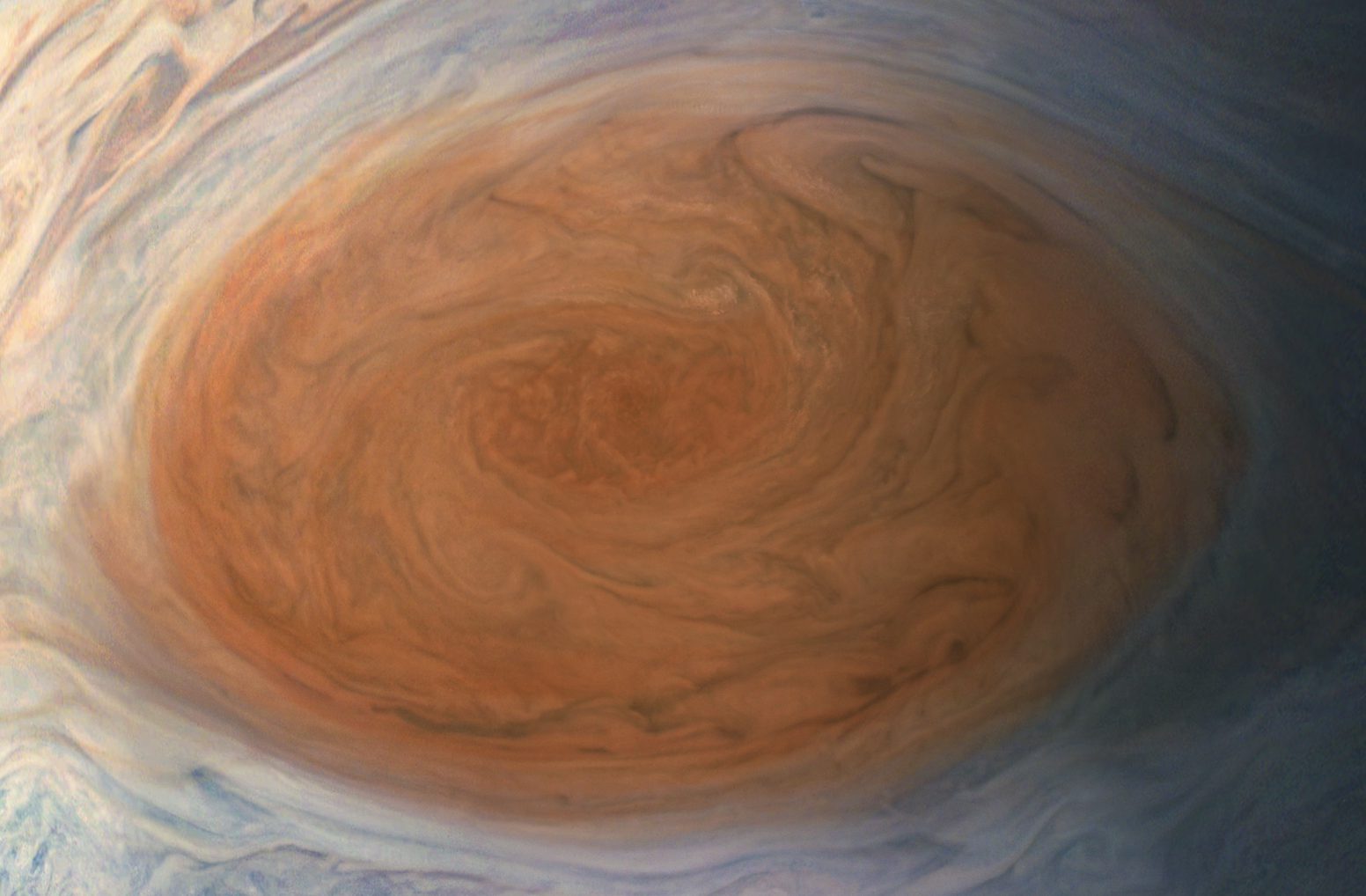
It is an active system still changing today.
JUPITER & SATURN: The Extreme Lighting
Lightning is not exclusive to Earth. Both Jupiter and Saturn experience intense lightning storms, far more powerful than those on our planet.
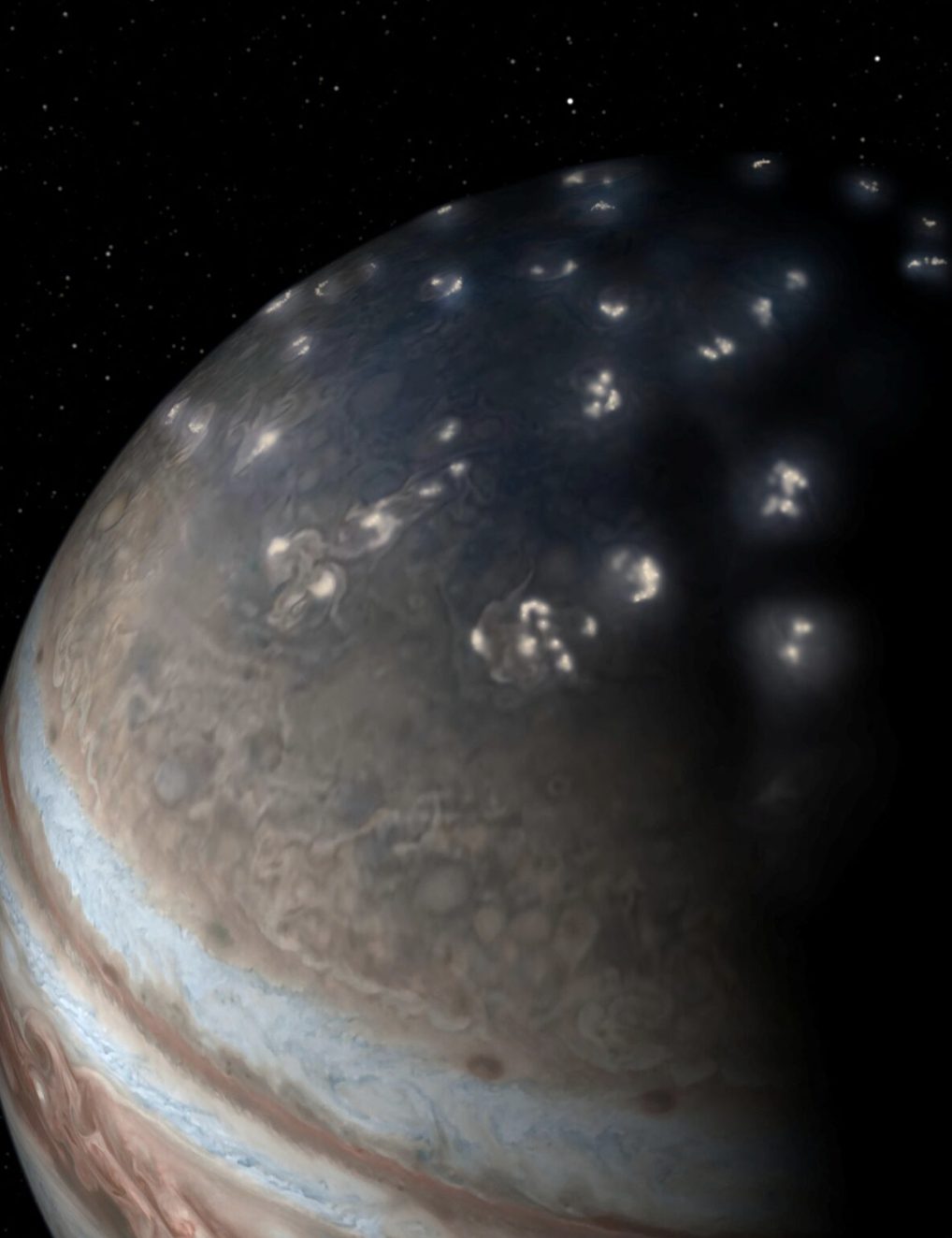
Some lightning bolts on these gas giants are estimated to be up to 100 times stronger than Earth’s lightning. These storms light up their thick atmospheres and help scientists understand how energy moves through planetary systems.
SATURN: The Hexagon
At Saturn’s north pole, there is a strange and beautiful storm shaped like a perfect hexagon. Each side of this six-sided jet stream is about 14,500 kilometers long.
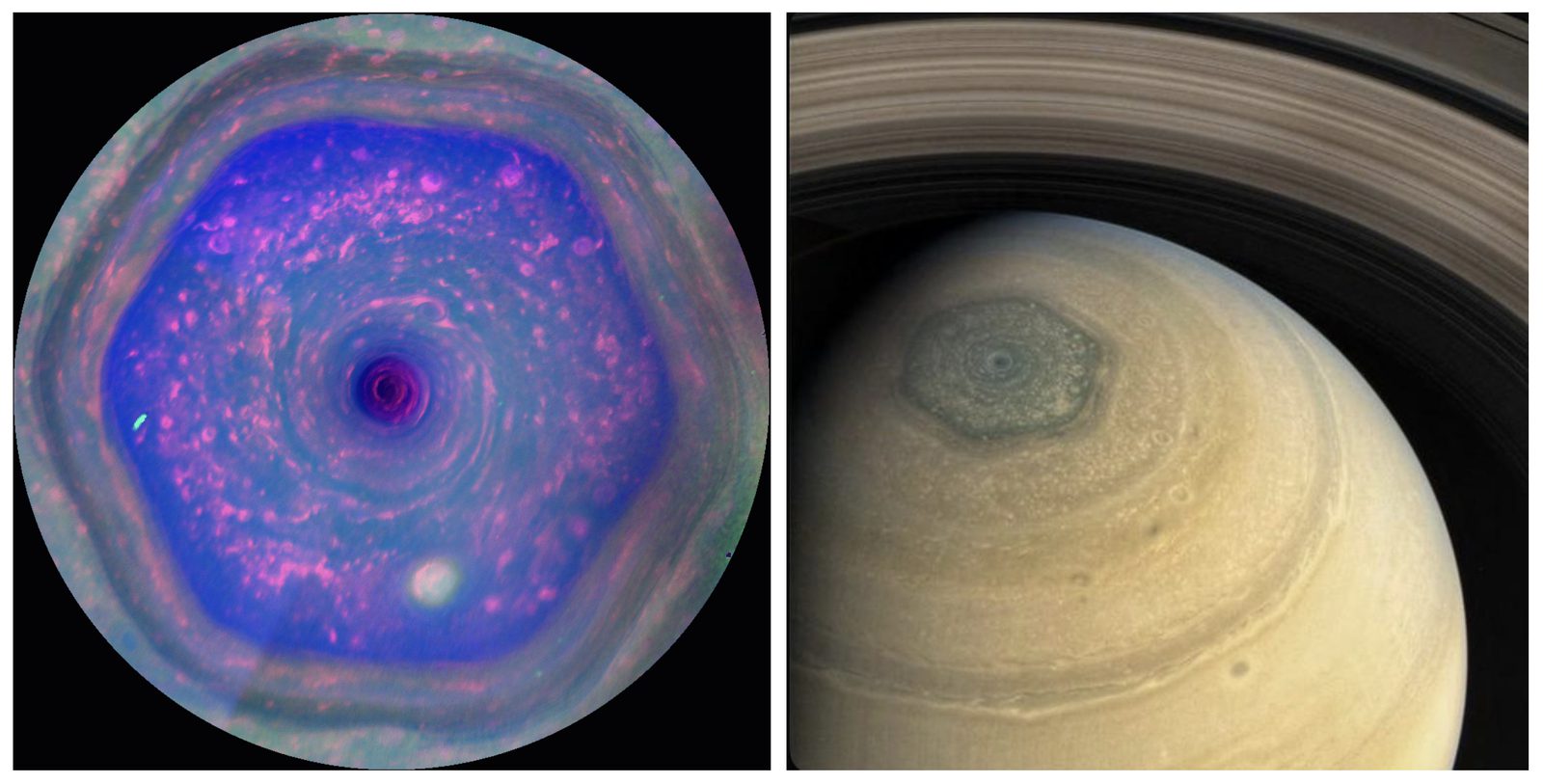
The storm rotates with Saturn’s day and is believed to form because of complex atmospheric motions. No other planet in the solar system has a storm like this. It looks almost artificial, yet it is entirely natural.
SATURN’S MOON: Enceladus’ Cryovolcanoes
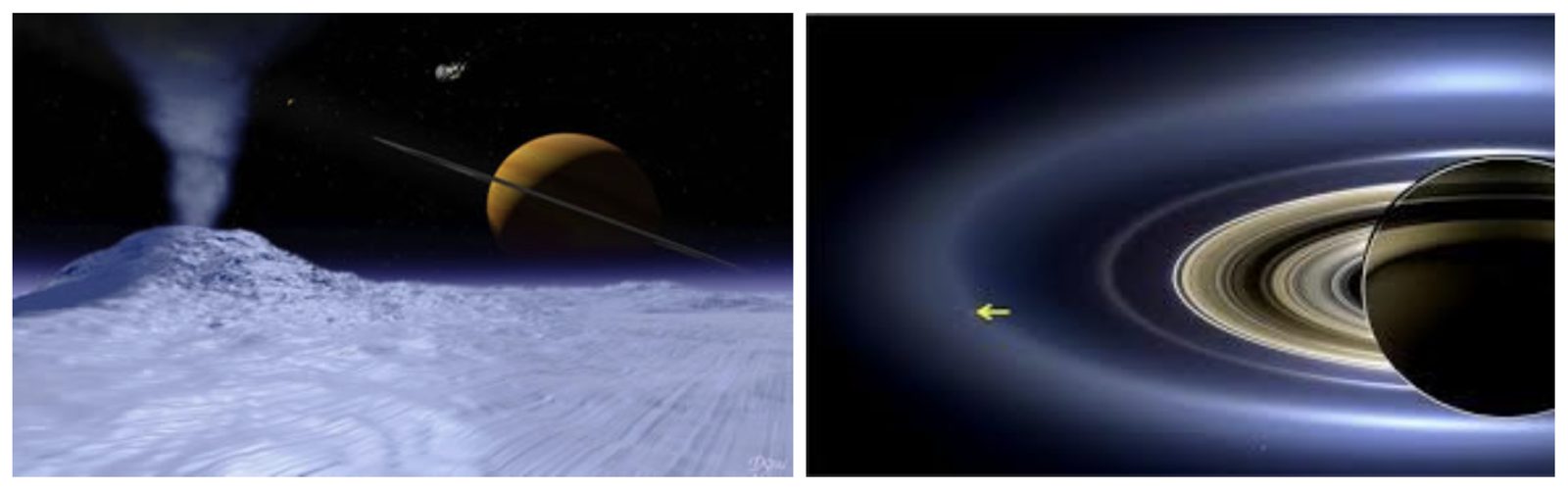
Storms are not limited to planets. Saturn’s moon Enceladus has cryovolcanoes that shoot water and ice into space. These eruptions help create Saturn’s E-ring and hint at a subsurface ocean beneath the moon’s icy crust.
URANUS & NEPTUNE: The Diamond Rain
Even stranger, Uranus and Neptune may experience diamond rain. Deep inside these planets, extreme pressure and heat break down methane, forming diamonds that fall through the interior like rain.
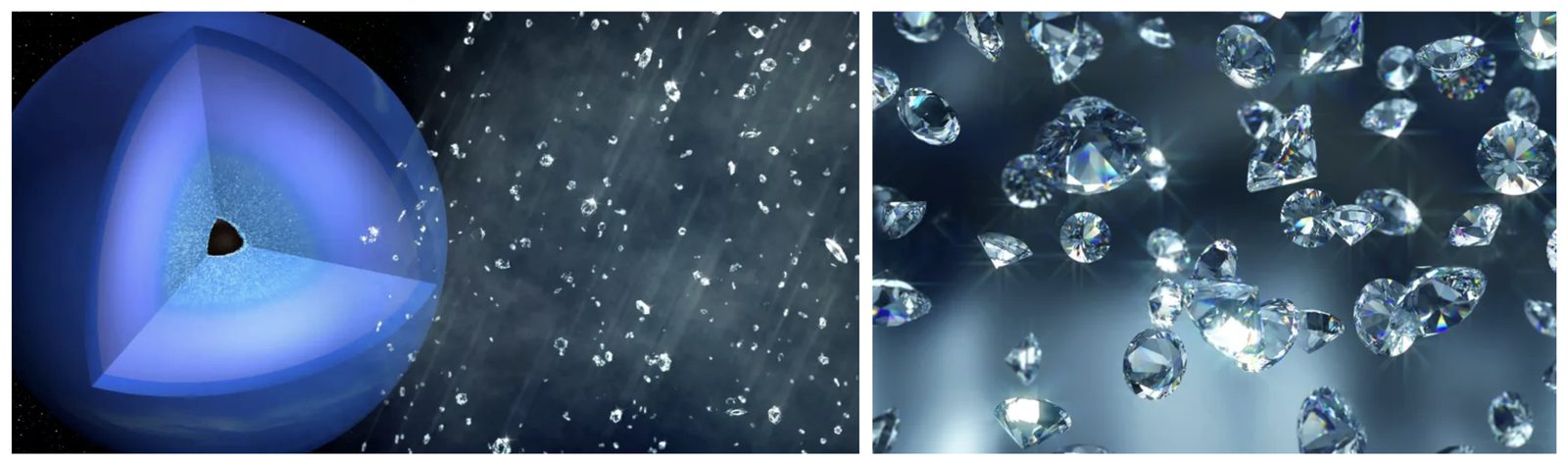
These ideas sound like science fiction, yet they are based on real physics and laboratory experiments.
STORMS IN SPACE: Why Does This Matter?
Studying storms across the solar system helps us understand how planets work, how atmospheres evolve, and how energy moves through space. It also helps us protect technology and prepare for future missions.
More than that, learning about storms in space changes how we see Earth. Our planet feels less isolated and more connected to a dynamic, active universe. Every storm tells a story. Not just about destruction, but about motion, energy, and change.
FINAL THOUGHTS
Storms are everywhere. They shape planets, moons, and even stars. Some rage for hours, others for centuries. Some destroy, others reveal hidden worlds beneath icy crusts.
The next time you see a thunderstorm on Earth, it is worth remembering that far beyond our sky, entire planets are weathering storms of their own.
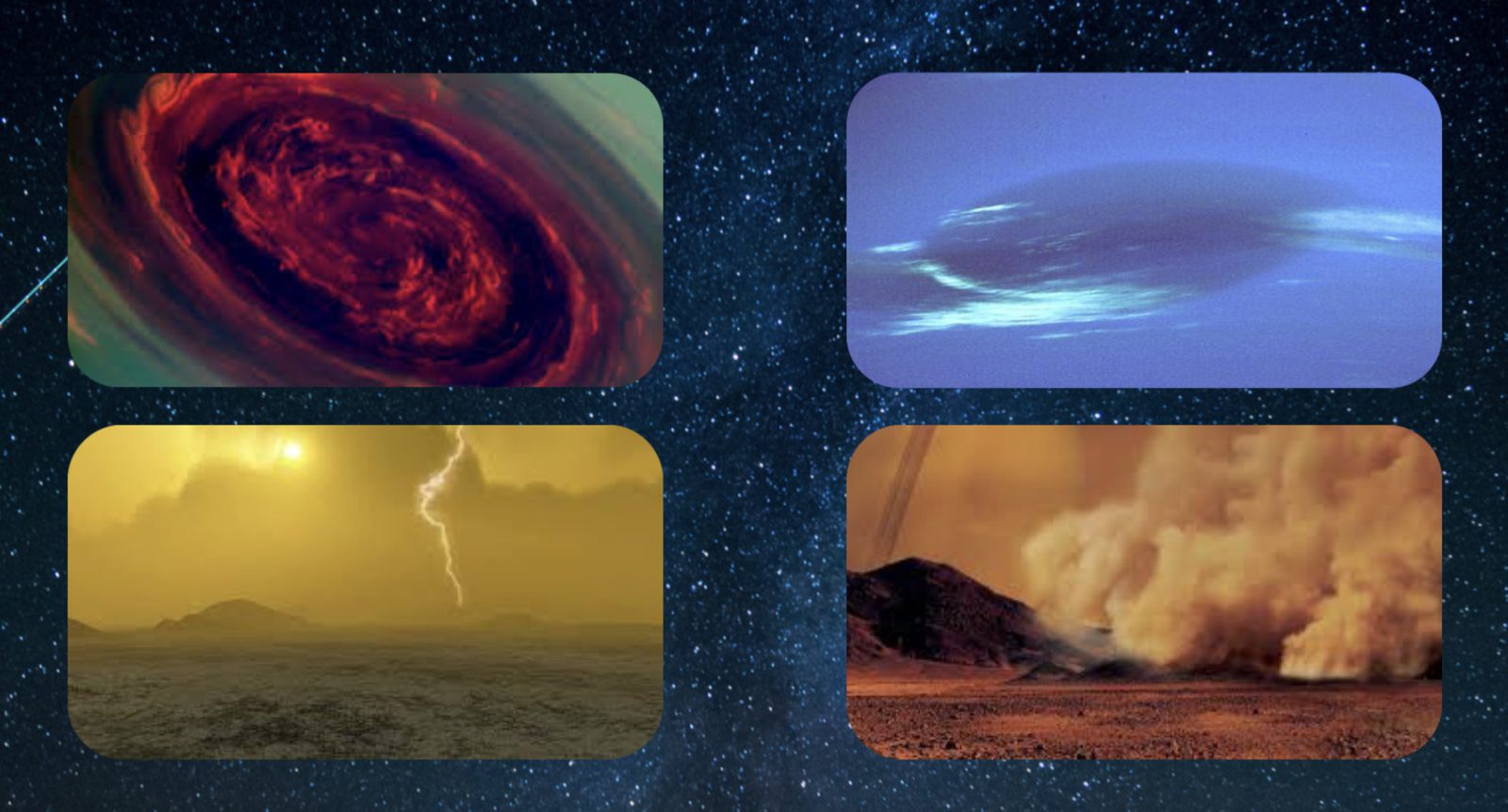 There are countless other storms, like Saturn’s Rose and Neptune’s Great Dark Spot—I encourage you to check them out too!